
14 March 2026

Have you ever wondered if your daily routine is really protecting your smile? Do you sometimes worry about dental problems creeping up on you?
It’s a fact: most serious issues don’t start with tooth pain. They begin quietly, deep in your mouth, and by the time you finally notice them, they can be costly and harder to fix. That’s why taking control of your oral hygiene is so important.
At My Dental HomeThis link leads to Home page in Markham, we want to empower you with simple, effective habits. Learning these five essential oral health tips can help you keep your teeth strong and ensure a lifetime of comfort and confidence.
Taking care of your mouth is vital for your general health. When you practice good oral hygiene, you’re doing much more than just freshening your breath.
You’re actively preventing nasty stuff like gum disease and serious oral health problems. Think of oral hygiene as your first line of defense against the invisible army of oral bacteria that cause issues. Keeping up with a good oral hygiene routine stops plaque buildup from hardening into stubborn tartar.
You’ll feel a huge boost in confidence when you know your teeth and gums are consistently healthy. This daily routine truly is the foundation for avoiding problems like tooth decay and unexpected tooth pain.
Good oral health is a key part of your overall health.
We know you’ve heard this a thousand times, but flossing is critical for good oral hygiene. Your toothbrush can only reach so much of your teeth. It cleans the wide surfaces well, but it completely misses the tight spots between two teeth and just below the gumline. This is where sticky food particles and harmful dental plaque love to settle in and start causing trouble.
Using dental floss every day breaks up these tiny, growing communities of bacteria. Flossing helps to remove dental plaque from those hidden spots and is one of the best ways to stop gum disease before it ever starts. It’s what keeps your gums healthy and your smile completely clean.
We understand that for some people, traditional dental floss is tricky to use. It can feel awkward getting your fingers into your mouth, especially the back. But the benefits of cleaning between your teeth are non-negotiable for maintaining oral health!
Dr. BrownThis link leads to Dentists’ page often suggests making it easier to stick with. Try keeping floss picks somewhere you’ll see them every day: your coffee table, your desk, or even in the car.
That way, you can grab one and do a couple of teeth at a time until it becomes part of your daily routine. Water flossers or interdental brushes are also great oral hygiene products for effective oral hygiene.
The very best way to check your work is to visit your dental hygienist and dentist regularly for dental exams. A key tip we tell everyone is about the C shape when flossing.
When you use dental floss, curve it into a tight C shape around one tooth, slide it gently under the gum, and then use the same C shape for the next tooth. This C shape technique is the gold standard for effectively lifting and removing dental plaque.
This simple mechanical change instantly increases the amount of dental plaque you clean with every single flossing session!
The best choice for protecting your strong teeth is fluoride toothpaste that carries the ADA seal from the American Dental Association. Fluoride is a natural powerhouse; it actually strengthens and remineralizes your tooth enamel, making it harder for the acid produced by certain bacteria to cause tooth decay. Not all toothpaste protects your teeth equally.
We recommend fluoride toothpaste because it strengthens enamel and makes it much harder for cavity-causing oral bacteria to do damage.
Skip the DIY pastes!
They can often be too abrasive and might permanently damage your teeth and gums. For effective oral care and truly healthy teeth, stick to a quality fluoride paste.
To maintain your oral health, you need to brush your teeth twice a day for two full minutes each time. A great oral hygiene routine means giving your entire mouth a complete clean. If you skip a session, you give oral bacteria a free pass to multiply and start attacking your tooth enamel. When you brush your teeth, don’t saw back and forth aggressively. Use gentle, short, circular strokes, and hold the brush at a forty-five-degree angle pointing toward the gums. This technique gently cleans the surface of your teeth and gums without causing irritation. Finish by doing proper tooth brushing on your tongue for improved good oral hygiene.
Yes, they certainly can, and the damage happens surprisingly fast! What you eat between meals can quietly undo your brushing and flossing.
Every time you eat or drink something sugary—yes, even fruit—it causes an “acid attack” on your teeth that can lead to tooth decay. If you’re snacking or sipping all day, your teeth are under attack all day, putting them at an increased risk of cavities. This pattern is a huge risk factor for poor oral health.
One way to protect your smile is to stick to set meal times and limit grazing between meals. This helps prevent major oral health problems.
The difference between poor oral health and good oral health is massive. Poor oral health often means you have frequent cavities, bleeding gums, chronic bad breath, or even loose teeth. It can be uncomfortable, painful, and honestly, a bit embarrassing.
Good oral health, on the other hand, means you have a comfortable, functional mouth and a smile you feel great about. This comes from maintaining a good oral hygiene routine and managing your diet. When you have good oral health, you can eat what you want, speak clearly, and laugh without worry, helping you to enjoy life.
Rinsing or drinking water after you eat is like hitting the “reset” button for your teeth in just a few seconds. This simple act washes away food particles and leftover sugars before the harmful oral bacteria can start feeding on them.
This is like a mini clean-up for your teeth in seconds. If you can, swish the water around your entire mouth for a few seconds. It’s helps eliminate bacteria until you brush your teeth. This small action helps neutralize the acid produced after consuming sugary drinks or snacks, easing the acid attack and providing a big benefit to your teeth and gums.
Consistency is the secret sauce for long-term oral health. Daily brushing and the use of dental floss prevent bacteria from causing trouble. If you’re not consistent, the conditions for oral disease quickly take hold. Small, daily actions are easier and far more pleasant than dealing with a big emergency like an abscess or loose teeth.
This is what good oral hygiene is all about—small, consistent efforts that pay off with a pain-free, attractive smile that lasts your whole life. It is the best self-care you can give your mouth and your overall health.
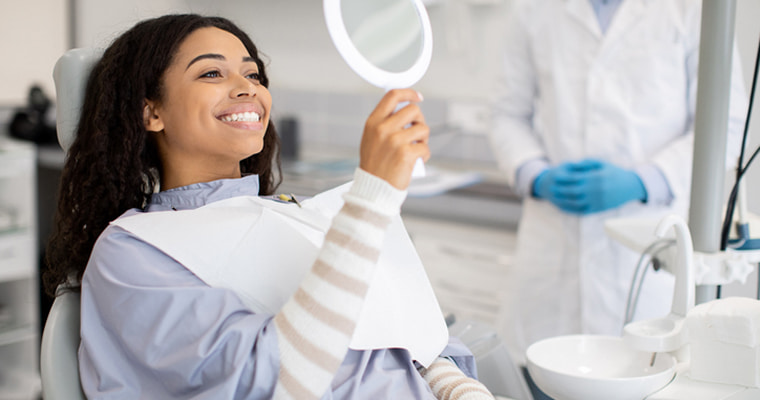
Yes, absolutely! Even perfect brushing and flossing can’t replace a professional checkup.
Dr. BrownThis link leads to Dentists’ page knows that visiting the dentist isn’t everyone’s favorite, but many serious oral health problems, including cavities and early gum disease, do not cause tooth pain until they are quite advanced. Your dentist and our dental hygienist are trained to spot these tiny issues long before they become big problems.
We recommend routine dental exams and cleanings to check your teeth and gums and look for signs of things like oral cancer. Visiting your dentist regularly is the best guarantee you can have that your smile stays healthy and comfortable.
If you notice your gums are bleeding frequently, or if you feel any persistent tooth pain, please call us right away. These are your body’s signals that something needs attention. Persistent bleeding is a strong indicator of gum disease.
A lasting ache might mean a cavity is nearing the nerve. Ignoring these signs is how people end up with missing teeth or the need for more involved treatment options.
The team atMy Dental HomeThis link leads to Home page in Markham will see you quickly to diagnose the issue and create a plan to get you comfortable again.
The link between your oral health and your overall health is powerful. Research shows that the inflammation and bacteria from severe gum disease don’t always stay contained in your mouth. They can travel through your body and increase your risk for major health conditions like heart disease.
Conversely, taking care of your mouth supports your whole body. For instance, older adults with good oral health often have better nutrition and quality of life. Good oral health helps you protect your entire body, and we can offer additional resources for specific issues like dry mouth or adapting your routine if you use tobacco products.
We’ve seen that small, consistent actions in your oral hygiene routine make the biggest difference. From mastering the C shape when flossing to choosing the right fluoride toothpaste, these five tips are your blueprint for a healthy smile.
Remember, your regular checkups with Dr. BrownThis link leads to Dentists’ page and our team are the final piece of the puzzle. If it’s been a while since your last visit, don’t put it off any longer. We’re here at My Dental HomeThis link leads to Home page in Markham to make sure you feel comfortable and leave with a clear plan for your best oral health.
What’s the one oral hygiene habit you struggle with the most? What’s your biggest worry about visiting the dentist? Share your thoughts below!