
24 March 2025
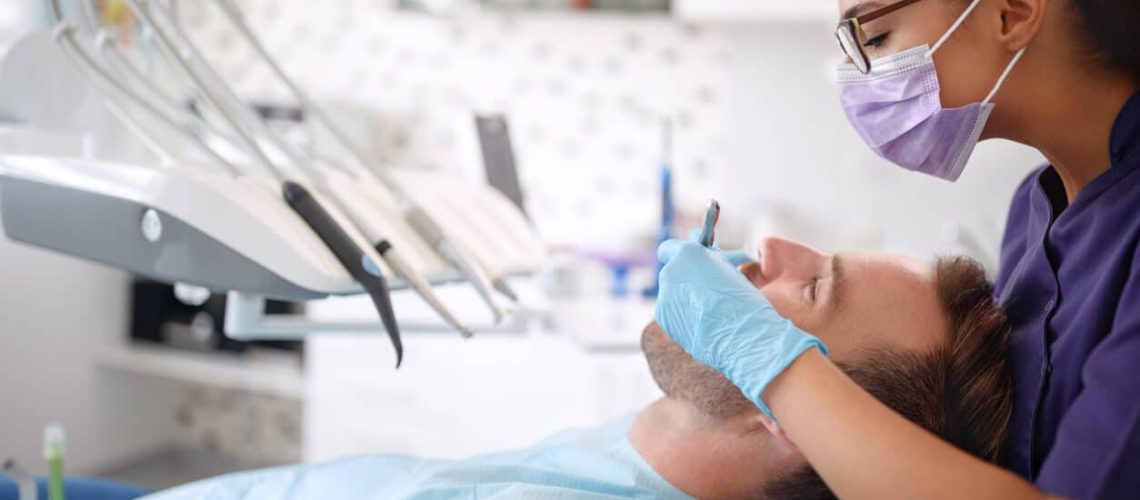
Realizing that your dental implant is loose or has come out can be quite alarming. Dental implants, known for their strength and longevity, typically have a success rate of around 91% at 10 years, making them a reliable choice for many. However, when issues do arise, understanding the reasons behind them and knowing how to respond can help you manage the situation confidently and ensure your dental health remains on track.
Let’s explore potential causes for dental implant issues and provide clear steps on what to do if you find yourself in this situation.
Although dental implants have a high success rate, there are rare cases where they might fall out, occurring in only about 3% of instances. This can be due to various factors, such as surgical complications or individual healing responses. While this situation doesn’t often happen, being informed about the possibility is key, while proper care can extend the longevity of your dental implants.
Here are some common reasons why your implants may fall out:
A loose implant needs urgent attention for several reasons:
If your dental implant falls out, it is crucial not to delay its replacement. Taking immediate action is essential to prevent further bone loss and avoid the misalignment of surrounding teeth. Postponing this necessary step may complicate future efforts to reinsert the implant or implement alternative treatment solutions. Acting quickly not only simplifies the process but also enhances the likelihood of successfully restoring your beautiful smile.
Keep calm and stay composed to manage the situation effectively. Avoid touching or manipulating the loose implant to prevent further injury to the gum tissue. Interfering with a loose implant can aggravate the area, potentially leading to increased bone loss.
Keep the fallen implant or any parts clean and stored in a safe environment. If possible, handle the implant gently and keep it in a small container. Bringing the intact implant or pieces to your dental appointment helps your dentist assess the next steps effectively.
Schedule an emergency appointment as soon as you notice a problem with your implant. Prompt attention to dental emergencies minimizes the risk of further complications and helps preserve oral health. Reaching out quickly allows for swift action to address the issue.
Adhere to any instructions from the dental office, which may include using saltwater rinses. Avoid crunchy or sticky foods that could exacerbate the problem. Keeping the area clean and free from potential irritants ensures a safer condition until you get professional care.
Document any recent health changes or symptoms related to your oral health prior to your dental visit. Have a list of current medications ready, as they may impact treatment options. This preparation aids your dentist in providing the most comprehensive treatment plan for your condition.
Consider all available options presented by your dental professional to address the implant issue. A comprehensive examination will determine whether a new dental implant or alternative dental restoration is necessary. Your dentist will guide you through the potential treatments, including additional procedures that may enhance implant success.
When a dental implant loosens or falls out, understanding the next steps is crucial for safeguarding your oral health and preventing further damage. Immediate action can help ensure optimal outcomes and preserve the function and appearance of your dental implants.
If you are dealing with such a dental emergency, My Dental Home is here to assist. Our expert team is renowned for their swift action and comprehensive care, making us a preferred choice in emergency dental care.