
10 December 2024
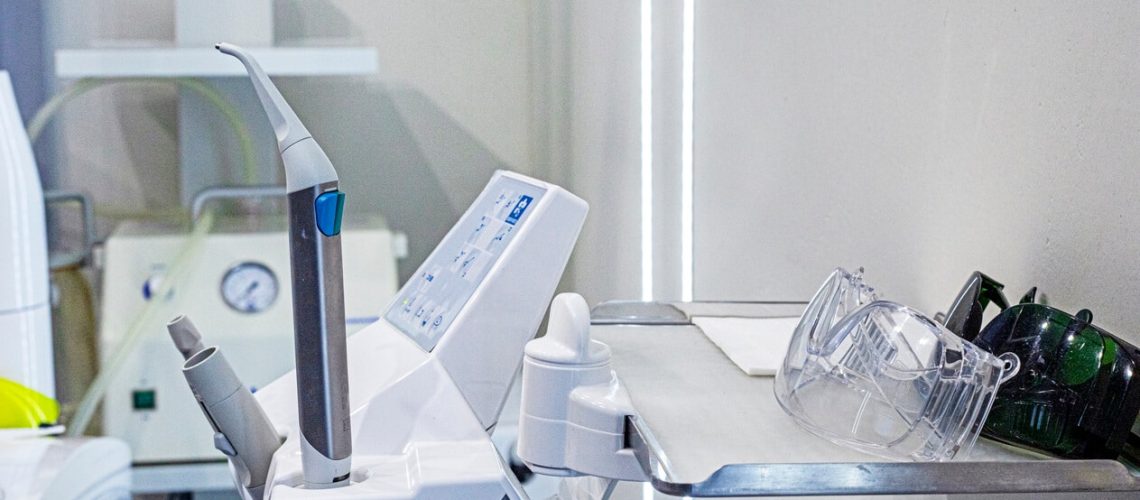
Your smile is one of your most valuable assets, playing a crucial role in both your confidence and daily function. When dental issues arise, whether it’s a small chip, wear and tear, or missing teeth, they can affect your appearance and your ability to speak, eat, and interact comfortably with others.
Restorative dentistry is the diagnosis, treatment, and management of dental problems that restore the function, integrity, and appearance of your teeth. The term “restorative” literally means bringing something back to its original state—in this case, returning damaged teeth to their natural strength and appearance.
Working alongside preventive and cosmetic dentistry, restorative care plays an essential role in maintaining your oral health. Modern restorative treatments use advanced materials and precise techniques to address dental problems while preventing future complications. The goal is to provide lasting solutions that look natural and function perfectly—allowing you to eat, speak, and smile with confidence.
Each of these restorative treatments plays a crucial role in addressing specific dental issues, ensuring your smile is healthy and functional while maintaining its natural beauty.
Exploring restorative dentistry uncovers numerous benefits that extend far beyond simple repair. Here’s how these interventions provide substantial benefits:
One of the primary benefits of restorative dentistry is the restoration of normal function. Procedures like crowns and bridges enable you to eat and speak with ease, significantly improving daily activities. Additionally, you can prevent further deterioration and maintain oral health by addressing conditions such as decay and damage.
Restorative dentistry provides aesthetic benefits that enhance your overall appearance. Treatments like composite resin fillings and implants are designed to match the look of natural elements, ensuring a seamless smile. These enhancements support a natural look, boosting your confidence and leaving you with an attractive smile.
By incorporating restorative procedures, you can minimize the risk of future damage or loss. Early interventions, like root canal treatments, protect structural integrity, preventing the need for replacements or more complex procedures in the future.
The integration of advanced technologies in restorative dentistry has led to more durable and reliable solutions. CEREC’s revolutionary CAD-CAM technology allows for the precise construction of indirect restorations such as crowns and inlays. These high-quality dental materials ensure lasting results that can withstand everyday wear and tear.
This proactive approach can prevent loss and enhance your beautiful smile, ultimately boosting your self-esteem.
When it comes to dental health, putting off treatment can lead to significant problems down the line. Recognizing the potential risks of delaying restorative care highlights the importance of acting quickly to maintain excellent oral health. Here are a few compelling reasons why tackling dental issues sooner rather than later is vital:
When deciding on a restorative dental procedure, several considerations should guide your choice:
Restorative dentistry encompasses a wide range of treatments, including fillings, crowns, bridges, and implants. The nature and extent of dental issues will often dictate the type of treatment required.
The visual outcome of a dental procedure often weighs heavily in decision-making. Consider the following:
The financial aspect is a critical consideration for many patients. Take into account:
Different treatments come with varying lifespans. It’s important to understand:
The dentist’s skill greatly influences the success of restorative treatments. Consider the dentist’s:
Your overall health can impact the suitability of certain treatments. Discuss with your dentist:
The decision should align with your dental needs, lifestyle, and personal preferences. Always consult with a qualified dentist to explore the best options for your specific situation.
While restorative dentistry focuses primarily on repairing dental damage and restoring function, cosmetic dentistry primarily aims to improve appearance. However, modern restorative procedures often achieve both functional and aesthetic goals. For example, while a metal filling is purely restorative, a tooth-colored composite filling serves both restorative and cosmetic purposes.
The most commonly used restorative treatments are dental fillings, particularly tooth-colored composite resin fillings. These are often used in dental restoration cases to treat cavities and minor tooth damage. Other frequently used treatments include crowns, bridges, and more recently, dental implants.
The cost of restorative dental procedures varies significantly based on multiple factors specific to each patient’s situation. These include the type and complexity of treatment needed, number of teeth requiring treatment, materials selected, geographic location, and the dentist’s expertise. While dental insurance typically provides partial coverage for restorative procedures, coverage levels vary by insurance plan and procedure type. Many dental practices offer flexible payment options and financing plans. For specific pricing information and a detailed treatment plan based on your individual needs, we recommend consulting directly with your dentist to discuss available insurance and payment options.
Restorative dentistry plays a key role in rejuvenating your smile by tackling problems such as decay or missing elements. These procedures boost function and enhance your smile’s natural allure, leveraging cutting-edge technology and methods. By opting for the right treatment early on, you can ward off additional complications and keep your oral health in peak condition.
At our dental practice in Markham, we take great pride in providing personalized restorative dentistry services that align with your specific needs. Our skilled team is committed to helping you attain a healthy, confident smile. If you’re considering restorative treatments, we invite you to contact us for a consultation. Discover how we can support your journey to optimal oral health!