
26 January 2025
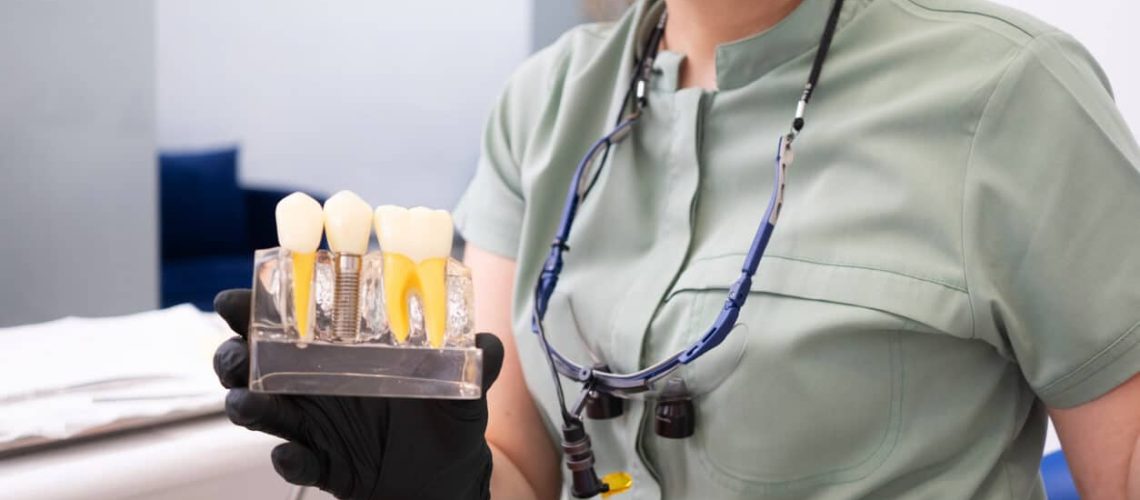
Missing teeth can impact both your confidence and oral health. Dental implants have revolutionized modern dentistry by providing robust, natural-looking prosthetics for missing teeth. With a success rate of 97% at 10 years and 75% at 20 years, these artificial tooth roots integrate seamlessly with your jawbone, offering a reliable, long-lasting solution to tooth loss.
This guide walks you through the entire dental implant procedure, from initial consultation to long-term care, ensuring a healthy smile that looks and feels natural.
Dental implants act as artificial replacements for tooth roots, providing a strong foundation for artificial teeth like dentures and bridges. Unlike adhesive-held dentures that may slip or shift, implants use titanium posts that securely fuse with the bone structure through a process called osseointegration. This integration offers superior stability and preserves jawbone health through direct bone stimulation.
While traditional dentures may feel artificial, implants replicate natural tooth structures so closely that they restore both full functionality and natural aesthetics. Proper implant placement and adequate bone density are crucial factors in ensuring long-term success and healthy tissue maintenance.
The dental implant procedure typically unfolds in several stages, ensuring that each aspect of treatment is tailored to your specific needs and oral health condition.
The dental implant journey begins with a thorough consultation and treatment planning phase. An experienced oral surgeon will review your medical and dental histories, assess your oral health, and determine if you are a suitable candidate for implants. Imaging tests, such as X-rays and CT scans, evaluate the jawbone structure and identify any potential need for additional procedures like bone grafting.
Based on your oral condition, certain preparatory procedures may be necessary before implant placement. These can include:
Preparation for dental implant surgery involves ensuring patients are in optimal health. Instructions may include pre-surgery dietary modifications, such as incorporating soft foods and managing any chronic diseases with your healthcare provider. Discuss current medications with your oral surgeon, as adjustments might be necessary to avoid complications during surgery.
The surgical placement of the implant begins with administering a suitable type of anesthesia—local or general anesthesia—to ensure patient comfort. The surgeon makes a small incision in the gum to expose the bone. Precise placement of the titanium implant post follows, establishing a strong foundation for the implant-supported prosthetics.
Post-surgery, the healing phase involves the osseointegration process, where the jawbone fuses with the titanium post over several months. This forms a stable foundation for the upcoming dental restoration phase. During this time, maintaining excellent oral care and following post-operative instructions ensure optimal healing and proper osseointegration.
Once the implant post is securely bonded to the bone, the next step is the abutment placement. This connector piece serves as a bridge between the implant and your future replacement teeth. After abutment placement, your gums need to heal from this minor procedure.
The final step involves attaching your chosen type of prosthetic teeth to the abutments. Depending on your needs and the number of missing teeth, your dentist may recommend:
Each restoration is custom-made to match your natural teeth in color, shape, and size, ensuring a seamless smile and full functionality.
| Phase | Timeline | Description |
| Immediate Post-Op | 1-2 weeks | Swelling and discomfort are common. Adhere to a soft food diet to manage pressure on the site. |
| Osseointegration Period | 3-6 months | The implant post integrates with the bone—a critical phase in establishing implant stability. |
| Abutment Placement | 2 weeks post-osseointegration | The abutment connects the implant to the prosthetic tooth. |
| Final Crown Placement | Within 2-3 weeks post-abutment | A permanent crown is secured, completing the dental implant process. |
Proper post-surgical care is essential for the longevity of your dental implants. Implementing a dental care routine that includes antimicrobial mouthwash and regular dental check-ups will help prevent peri-implant diseases. Maintaining a balanced diet and avoiding sticky foods will also support your implants’ integrity.
Post-surgery discomfort and swelling are common. Consider these strategies for effective pain management:
Maintaining excellent oral hygiene during the healing process is vital for preventing infection and ensuring implant success:
Post-surgery dietary changes are crucial for minimizing pain and supporting the healing process:
Regular follow-up appointments with your dental professional are crucial for monitoring implant healing and progress:
Adhering to these post-surgical care guidelines fosters smooth recovery and protects your investment in a healthier, more functional smile. For any concerns or persistent pain, don’t hesitate to contact your dental professional for guidance and support.
The process of getting a dental implant is typically performed under local anesthesia, ensuring that the procedure is generally pain-free during the surgery itself. Post-surgery, it is common to experience some discomfort or mild pain, similar to that experienced after a tooth extraction.
This discomfort can usually be managed effectively with over-the-counter pain medications such as ibuprofen or acetaminophen. Most patients find that any discomfort subsides significantly after a few days as the healing progresses.
While dental implants offer numerous benefits, such as durability and a natural appearance, there are some potential downsides to consider:
Embarking on a journey with dental implants offers a significant and rewarding step toward enhancing your oral health and restoring the aesthetic and function of your smile. Through careful consultation, meticulous planning, and diligent post-surgical care, you ensure the success and longevity of your implants.
At My Dental Home, we’re committed to providing personalized care and cutting-edge solutions tailored to your dental needs. Whether you are beginning your dental implant journey or seeking advice on maintaining your oral health, our team of experienced dental professionals is here to support you every step of the way.
Ready to transform your smile? Schedule a consultation with My Dental Home today to explore your options for dental implants and receive expert guidance on achieving a healthy, beautiful smile.